
Welcome

A brighter, fresher-looking smile can quietly change the way you move through everyday life –” in meetings, at family gatherings, in photos, and in those small moments when you greet someone new. Clinician-led whitening care places comfort, clarity, and realistic outcomes at the heart of everything we do. Our approach treats every smile as individual: we listen first, explain plainly, and tailor treatment so results look refreshed and authentically you. The aim is a confident smile that feels effortless, not forced.
We understand whitening is often more than a cosmetic decision. For many people, improving tooth shade reduces self-consciousness and makes ordinary moments feel a little lighter. That feeling –” of smiling without thinking twice –” is what drives our work. Our team blends clinical knowledge with warm, human communication so every step of the process is clear, comfortable, and carefully managed. From the initial conversation through to aftercare, our focus is on delivering a brighter smile with minimal sensitivity and long-term consideration for enamel health.
A Professional, Comfort-First Approach
Professional whitening performed with care is about more than changing numbers on a shade guide. It is about protecting enamel, respecting sensitivity, and applying treatments that make a visible, natural difference. Before treatment begins, we consider individual sensitivity history, recent dental care, and aesthetic goals. Some people are well-suited to a single supervised in-clinic session; others prefer a gentler, gradual approach at home using custom trays. Both routes are clinician-guided, and both prioritise predictable, comfortable outcomes.
Listening and information are fundamental. During an initial consultation, we talk through goals and expectations in plain language, outline possible outcomes, and take a baseline shade so progress can be measured visually. Questions are encouraged –” the more we know about a person's concerns and preferences, the better we can adapt treatment. That collaborative approach removes uncertainty and creates a calm space where people feel involved in decisions about their smile.
Why People Choose Professional Whitening
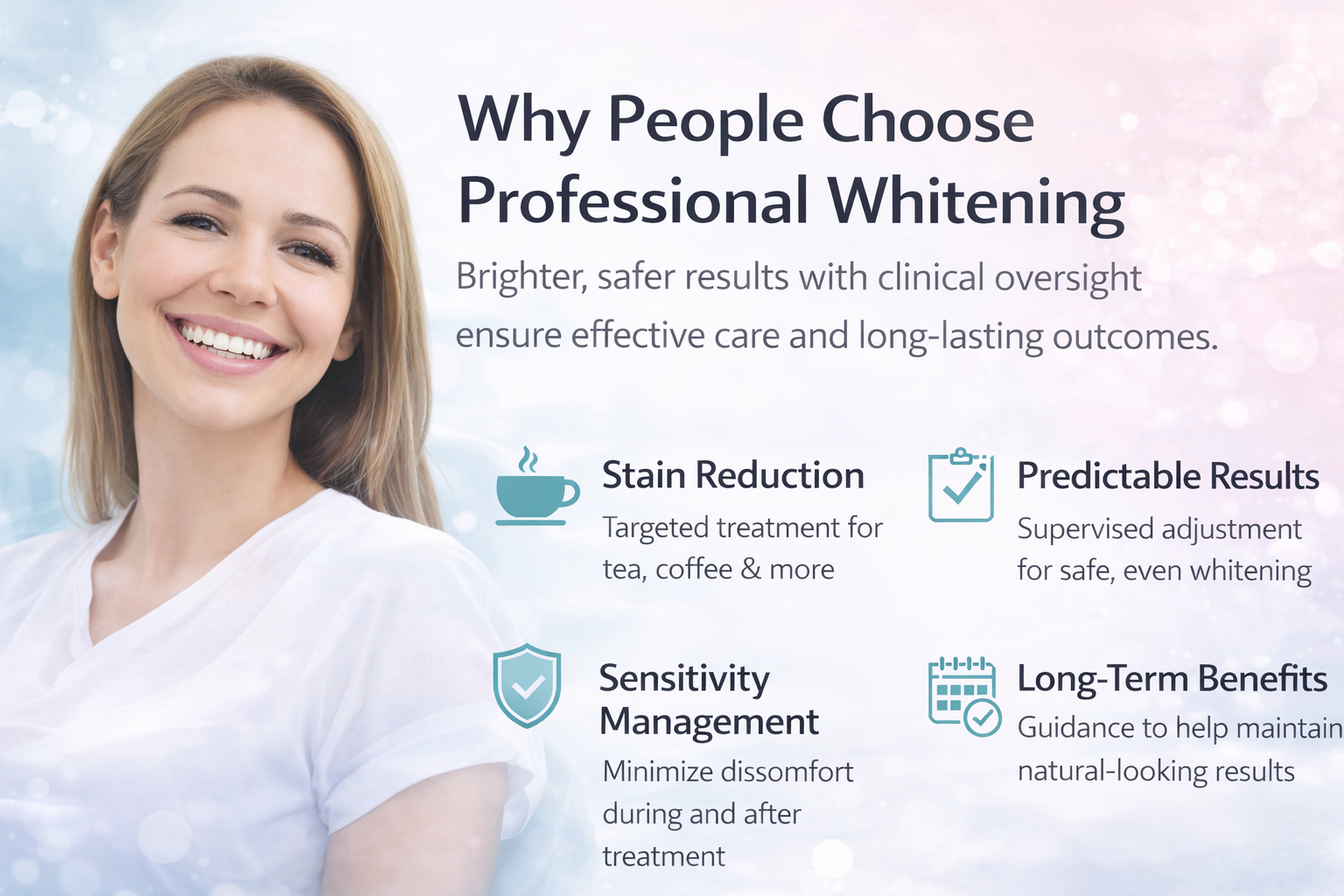
Everyday habits influence tooth shade. Tea, coffee, red wine, certain sauces, and tobacco are common culprits in gradual staining. Age is another factor: as enamel wears, dentine can become more visible, and teeth can appear darker. Over-the-counter products can sometimes help with mild surface staining, but they often deliver uneven results and can cause sensitivity when used without professional guidance. Professional whitening provides a controlled, evidence-informed route to brighter teeth, with clinical oversight and support at every step.
Predictability is a key advantage. Clinician supervision allows us to monitor shade changes and adjust protocols as needed rather than relying on guesswork. For people who care about natural-looking outcomes, this predictability helps ensure results complement their face and skin tone rather than appearing excessively bright. Practical maintenance guidance is another benefit: small lifestyle changes and periodic touch-ups preserve results far longer than ad-hoc retail options.
In-Clinic Whitening: Rapid, Supervised Improvement
In-clinic whitening suits those who want to see noticeable change quickly and value the reassurance of professional supervision. After a short consultation and oral health check, soft tissues are protected, the whitening gel is carefully applied, and the process is activated in monitored cycles. The clinician watches each step and checks in about comfort and response. If any sensitivity arises, protocol adjustments are straightforward –” treatment can be paused, desensitising agents applied, or exposure times modified to keep the experience comfortable.
A typical in-clinic session usually takes around 45 to 60 minutes, depending on the chosen protocol and how teeth respond. Many people notice a visible difference by the end of the session, though final stabilisation can take a few days as enamel rehydrates and any transient surface changes settle. The controlled environment of a clinic means potential reactions can be managed immediately, making this a reliable choice for those who want professional oversight and immediate, visible improvement.
Custom Take-Home Whitening Trays: Gentle, Flexible Progress
For many, convenience and gentle pacing are key. Custom take-home trays are made to match each person's tooth contours precisely, ensuring even gel distribution and reducing the risk of gum irritation. Impressions or digital scans are taken, and trays are crafted to fit securely and comfortably. People receive measured professional-strength gel and straightforward instructions on timing, cleaning, and storage.
The take-home route is ideal for those who prefer gradual change and can pause or adjust wear time if sensitivity arises. It can also be very practical for people juggling busy schedules, as trays can be worn overnight or for short daytime sessions, depending on individual preference. Over weeks, teeth brighten steadily, and trays can be used again for occasional top-ups months later –” a flexible maintenance option when paired with sensible daily habits.
Sensitivity Management and Aftercare: Practical, Proactive Steps
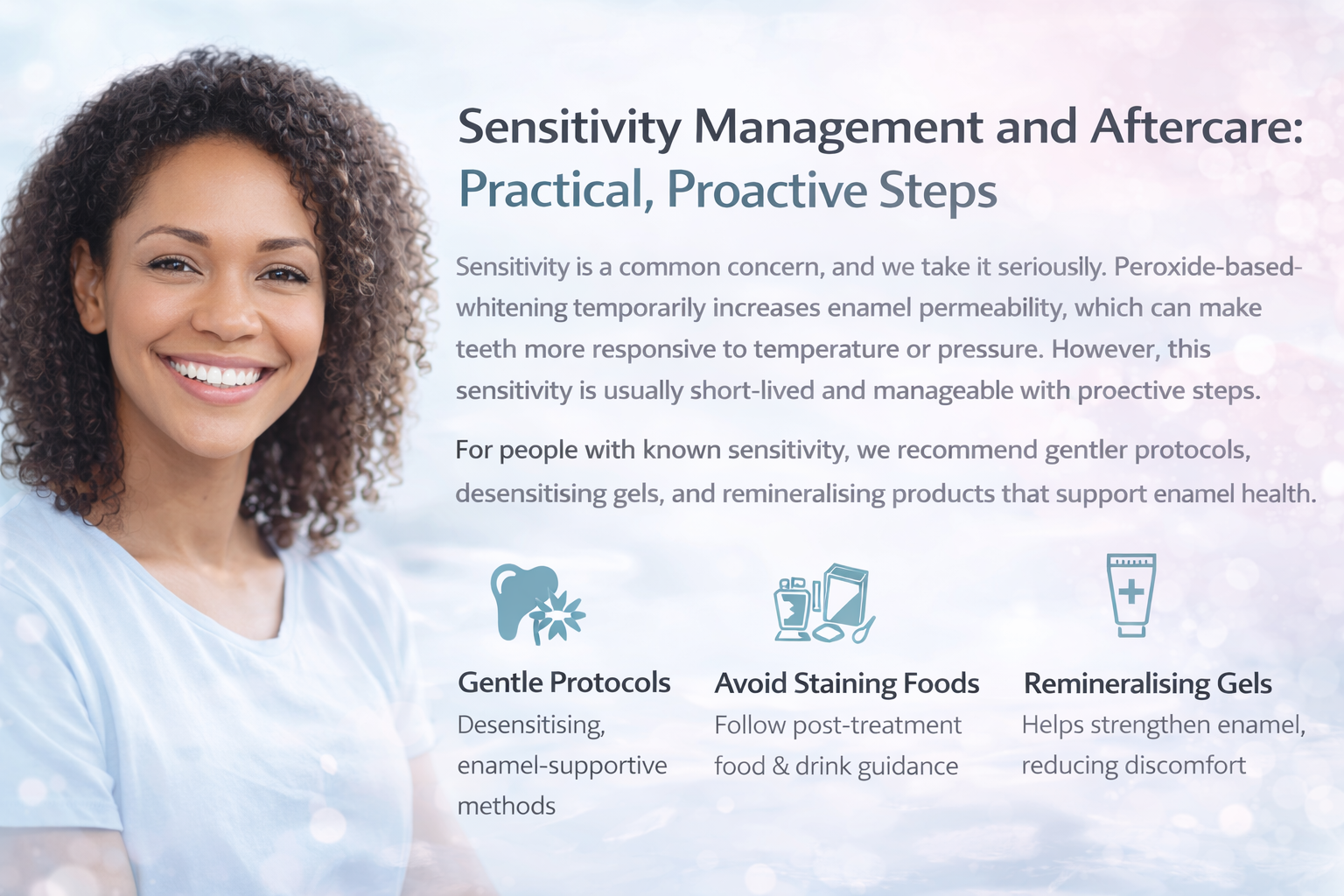
Sensitivity is a common concern, and we take it seriously. Peroxide-based whitening temporarily increases enamel permeability, which can make teeth more responsive to temperature or pressure. However, this sensitivity is usually short-lived and manageable with proactive steps. For people with known sensitivity, we recommend gentler protocols, desensitising gels, and remineralising products that support enamel health.
Practical aftercare helps stabilise results. Avoiding heavily pigmented foods and drinks for the first 48 to 72 hours reduces the risk of immediate re-deposition of stains. Using a soft-bristled toothbrush and non-abrasive toothpaste protects enamel during the immediate post-treatment window. Professional suggestions may include remineralising gels or fluoride-containing toothpastes that help strengthen enamel and reduce discomfort. Clear guidance and accessible follow-up support are part of the overall care experience.
How the Process Works –” A Clear, Step-by-Step Path
Our goal is a calm, transparent path from consultation to aftercare. The process typically follows these steps:
This sequence is designed to remove guesswork and make every stage feel well-managed and supportive.
Benefits of a Clinician-Led Approach
Professional oversight offers several benefits. Clinicians can tailor concentration and exposure times to reduce sensitivity and achieve results that look natural rather than artificial. Baseline photographic records and shade documentation make progress tangible and support informed decisions about further treatment. If any issue occurs, a clinician can respond quickly with an alternative protocol or supportive measures.
Clinicians also consider restorations and dental history in their planning. Whitening affects natural tooth structure but not most restorative materials, such as crowns or composite fillings. After whitening, clinicians can advise on whether restorations need recolouring or replacement to achieve a uniform appearance. That attention to long-term aesthetics, combined with sensible maintenance advice, often makes the professional route more valuable than quick retail options.
Before and After: Practical Advice for Best Results
Before whitening, maintaining good oral hygiene helps achieve an even response. Plaque or surface debris can interfere with how whitening gels interact with enamel, so that a hygiene check might be recommended first. It is also sensible to address any active dental problems before whitening to ensure comfort and safety.
After treatment, the first few days are important. Avoiding dark-coloured foods and drinks such as strong tea, coffee, red wine, and deeply coloured sauces for 48–72 hours reduces the risk of immediate re-staining. If avoidance is not possible, practical steps such as using a straw for beverages, rinsing with water after consumption, and gently brushing after meals help protect the new shade.
Gentle daily hygiene –” using a soft brush and non-abrasive toothpaste –” helps maintain brightness without increasing sensitivity. For those prone to sensitivity, desensitising toothpastes and periodic use of remineralising products may be advised. Occasional professional check-ups or brief top-up sessions can maintain consistent results without the need for repeated heavy treatment.
Real Experiences: Practical, Relatable Feedback
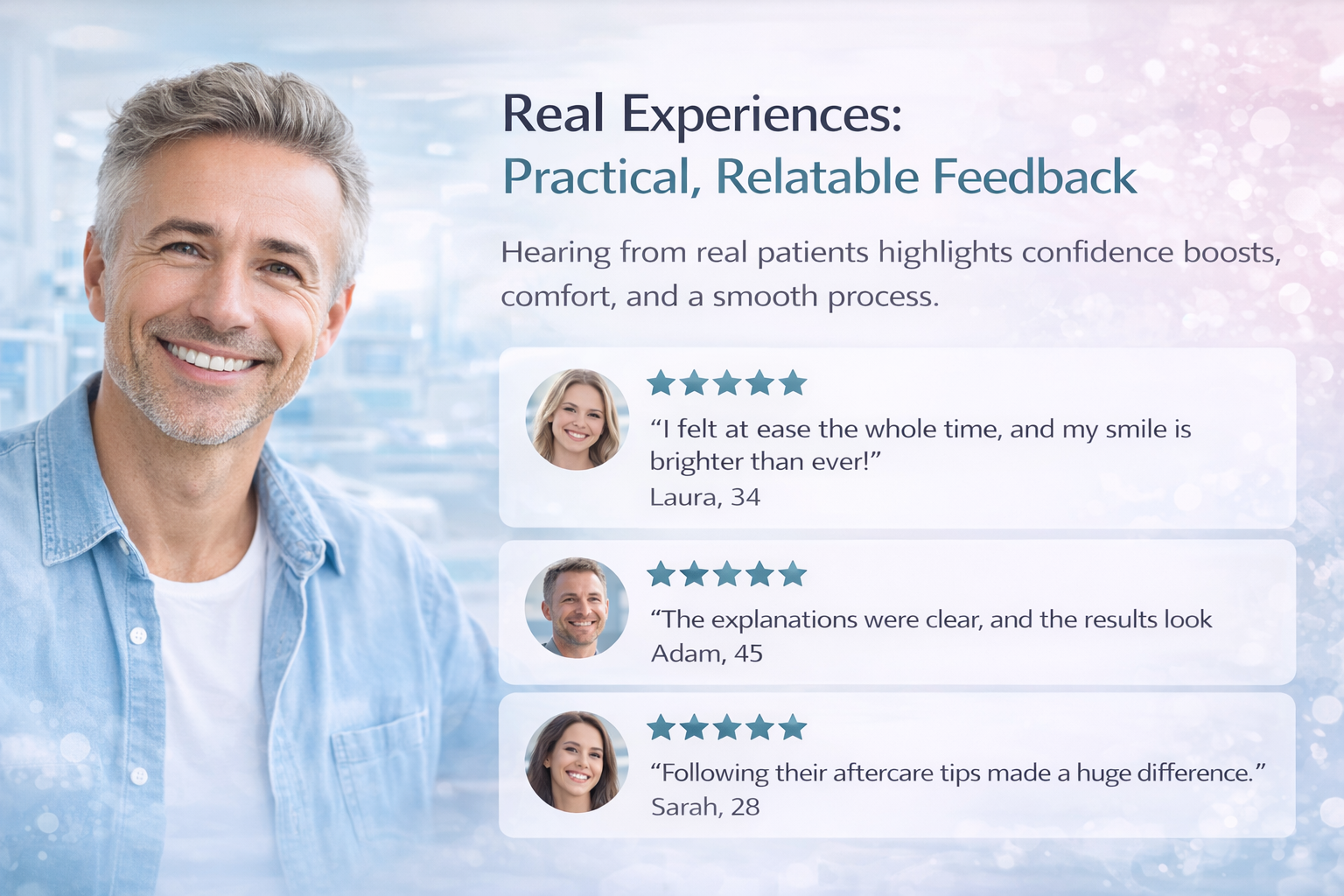
Hearing from real people helps set expectations. Many describe a measurable boost in confidence after whitening: smiling more freely in photos, feeling less self-conscious in conversations, and experiencing small social wins like laughing without covering the mouth. Practical comments also appear frequently: appreciation for a relaxed clinical environment, clear instructions, and the ability to control at-home treatment timing.
One commonly shared sentiment is relief –” not only from improved shade but from the clarity of the process. When people understand what to expect and why certain steps are taken, outcomes feel earned and sensible. That trust in the process often leads to better adherence to aftercare and maintenance recommendations, which in turn prolongs the brightening effects.
Frequently Asked Questions: Expanded Answers
When performed under clinician guidance and after a proper assessment, whitening is safe for most suitable individuals. An initial check helps rule out active dental disease and indicates whether modifications to the protocol are needed.
Longevity depends on habits and maintenance. Many people enjoy visible improvements for several months or longer with simple upkeep; occasional top-ups or targeted at-home sessions can preserve brightness.
Some transient sensitivity may occur, typically mild and short-lived. Clinicians use lower-concentration options and desensitising strategies for those with a history of sensitivity to reduce discomfort.
Restorations such as crowns and large fillings usually do not change shade with whitening. After bleaching, clinicians can advise on matching restorations if needed to achieve a uniform look.
Over-the-counter products can help with light surface stains but are less predictable than professional methods. Custom trays and professional gels offer better control and reduce the likelihood of irritation.
Whitening is generally not recommended for children, pregnant people, or anyone with untreated dental disease until those issues are resolved. A clinician's assessment determines suitability.
The Science, Plainly Explained
Whitening agents such as hydrogen peroxide or carbamide peroxide penetrate enamel and react with stain molecules, breaking them down so they reflect light differently and appear lighter. Surface stains from food and drink are generally easier to reduce, while intrinsic stains within the tooth structure can be more resistant and may need additional sessions or alternative approaches. Clinicians select concentrations and wear schedules that balance effectiveness with minimising sensitivity.
Choosing the Right Option for You
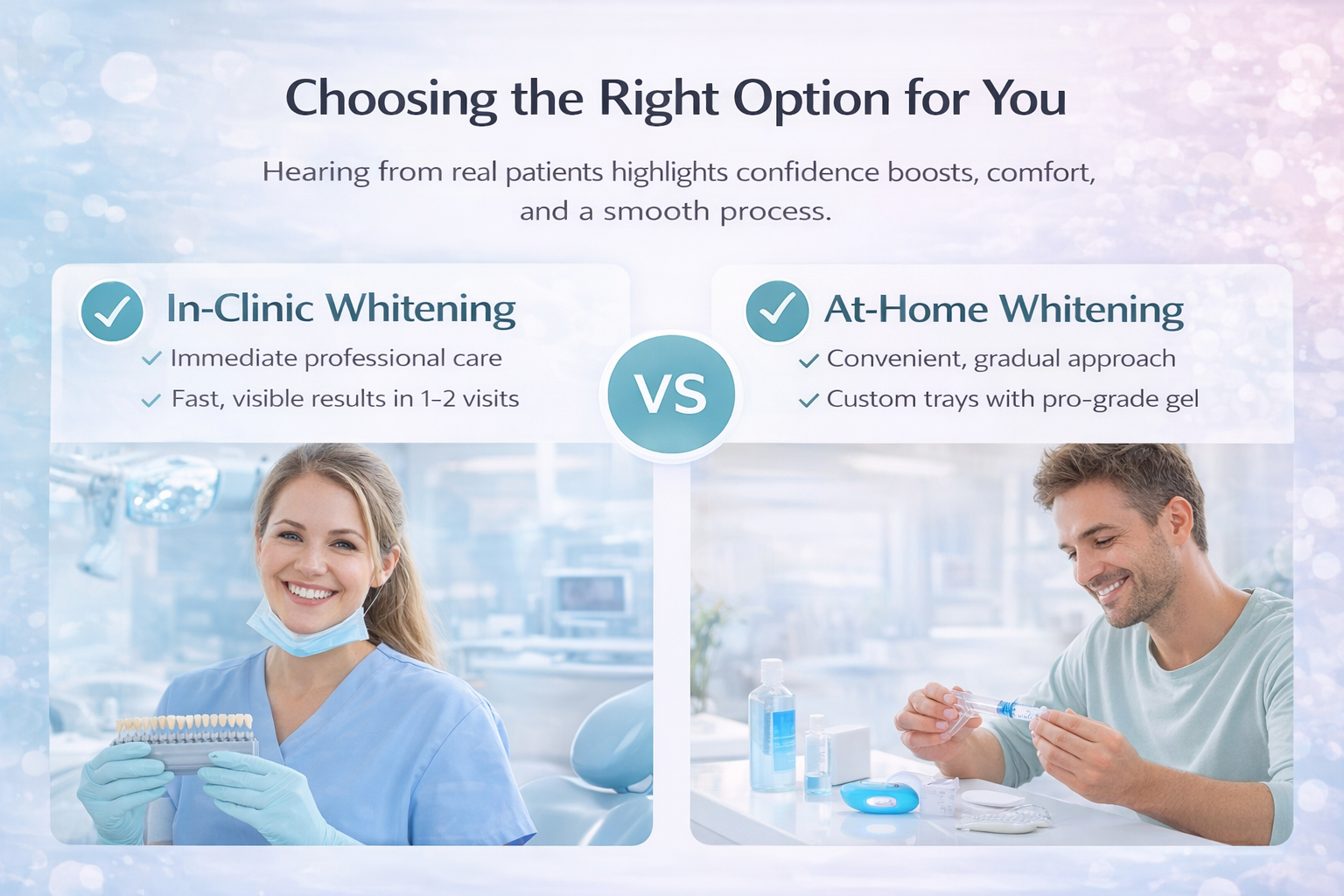
Deciding between in-clinic and take-home approaches depends on priorities. If you need a quick, visible improvement and want the reassurance of immediate professional oversight, an in-clinic session is often appropriate. If you prefer gradual progress or need to manage sensitivity carefully, custom take-home trays are a strong choice. We discuss lifestyle, medical history, and aesthetic goals to recommend a treatment plan that aligns with your expectations.
Safety Considerations and Contraindications
A thorough assessment reduces risks. People with untreated cavities, active gum disease, or significant enamel erosion are often advised to address these concerns before whitening. Pregnant women are generally advised to postpone bleaching until after pregnancy. Full transparency about medical history and dental restorations helps clinicians design safer protocols.
Dispelling Common Myths
There are many myths about whitening. Whitening will not permanently weaken healthy enamel when performed correctly; temporary sensitivity is the most common side effect. Professional whitening does not aim to produce unnaturally white teeth; instead, it seeks to achieve a harmonious enhancement that complements personal features. Clinicians avoid guarantees about specific shade changes and instead discuss realistic outcomes based on initial assessment.
Whitening ruins enamel permanently.
When carried out under supervision and followed by suitable aftercare, whitening does not permanently damage healthy enamel. Temporary sensitivity is the most common side-effect.
Whitening will make teeth blindingly white.
Professional whitening aims for a natural enhancement. The clinician's goal is to harmoniously improve colour, not to create an unnatural effect.
Over-the-counter products are just as good as professional care.
Some OTC options can help with minor surface staining, but they lack the tailored protocols, professional-strength materials, and safety monitoring that clinicians provide.
Timeline and Expected Outcomes
In-clinic sessions show immediate visible change with final stabilisation over a few days while enamel rehydrates. Take-home trays produce a gradual change over weeks, depending on gel strength and wear time. Both approaches can be combined if a stronger initial lift, followed by maintenance, is desired. Clinicians provide a clear timeline during consultation to align expectations with likely outcomes.
Aftercare Products: What Helps and Why
Desensitising toothpastes containing potassium nitrate, remineralising fluoride gels, and alcohol-free mouthwashes that avoid mouth drying are commonly recommended. These products support comfort and enamel health during the post-treatment period. Clinicians advise on appropriate use and frequency to prevent overuse or unnecessary expense.
Maintenance Plans: Practical Examples
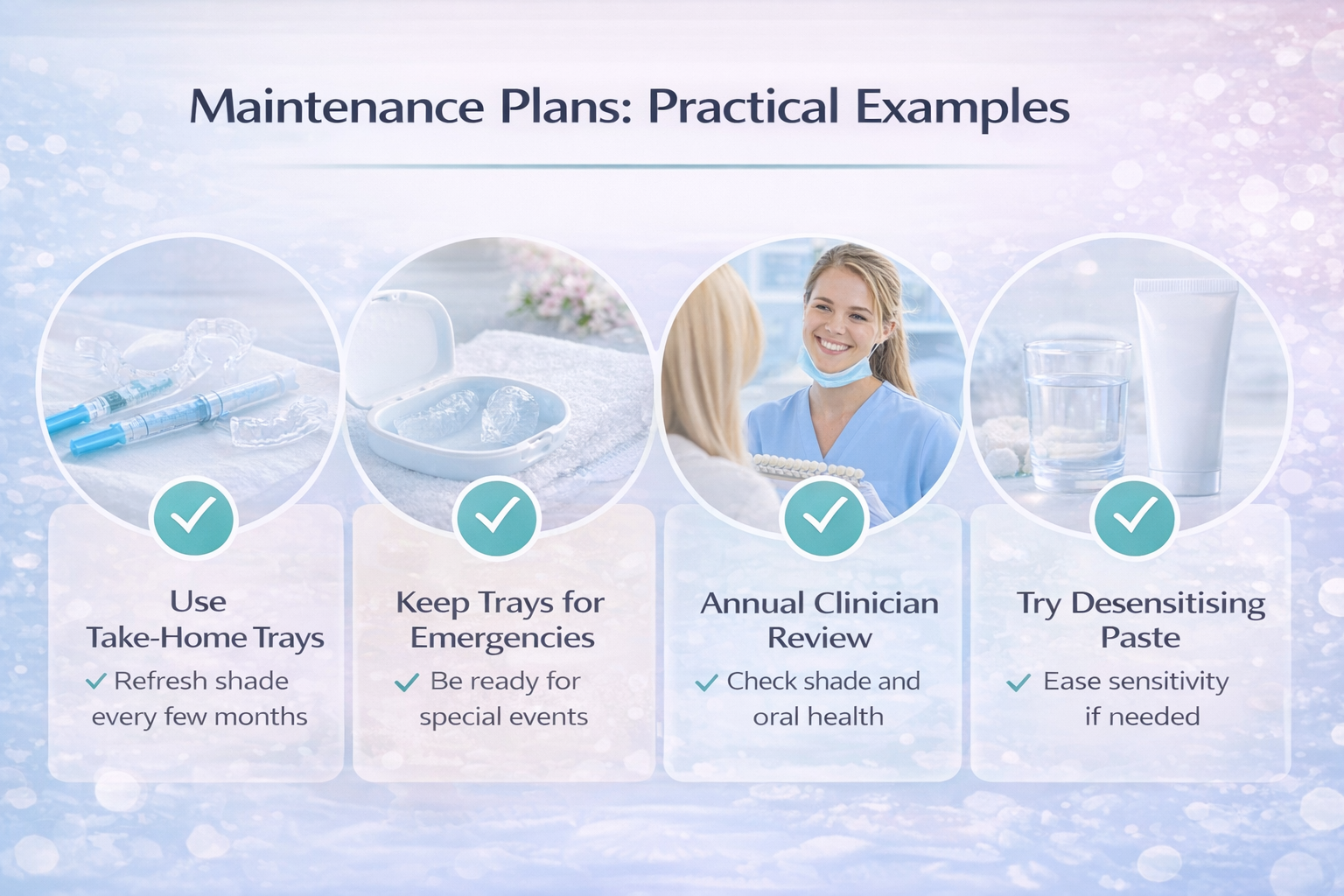
A thoughtful maintenance plan prevents the need for frequent full-strength repeats and maintains consistent brightness. Examples include:
- Periodic short sessions with take-home trays (for instance, a single night every few months) to refresh shade discreetly.
- Keeping a pair of trays for emergency top-ups around special events such as weddings or holidays.
- Scheduling an annual review with the clinician to assess shade, restorations, and oral health.
- Use a desensitising toothpaste for a short course if sensitivity flares up after a maintenance session.
Clinicians tailor maintenance to individual habits. For someone who drinks staining beverages daily, more frequent but milder touch-ups may be recommended; for someone with minimal staining habits, annual top-ups or even less frequent care may suffice.
Detailed Pre-Treatment Guidance
Preparing for whitening helps the whole process run smoothly and increases the chance of an even, comfortable result. Before any whitening begins, ensure routine dental care is up to date. If there are loose fillings, active decay, or gum inflammation, address these issues first so whitening does not exacerbate underlying problems. A brief hygiene appointment or scale and polish can remove surface deposits and help whitening gels contact enamel uniformly. Clinicians may photograph the smile and record a baseline shade to clearly document progress.
Preparing mentally is also useful. Consider what you want to achieve and think about how dramatic a change you expect or need. For many people, a subtle lift of a few shades is perfectly satisfying and feels most natural. Bringing reference photos of smiles you like –” not to demand identical results but to illustrate preferred tones –” can help the clinician understand your aesthetic taste. Being honest about habits such as frequent coffee or tea consumption, smoking, or the use of staining mouthwashes helps the clinician recommend a realistic route and maintenance schedule.
A Deeper Look at Sensitivity: Causes and Solutions
Sensitivity during or after whitening is commonly caused by transient changes in the tooth's microstructure during bleaching. Peroxide can temporarily increase permeability, allowing temperature changes to be felt more readily. However, sensitivity can be minimised by adopting a measured approach.
Practical options to reduce sensitivity include:
- Pre-treatment application of desensitising agents to calm nerve endings.
- Choosing a lower-concentration gel with a longer wear time rather than a high-concentration product delivered in a short burst.
- Spacing treatments out to allow the enamel to stabilise between sessions.
- Using trays that fit precisely to avoid gel contacting the gums, which can irritate.
- Recommending potassium nitrate toothpaste for daily use in the weeks around treatment to reduce nerve excitability.
If sensitivity occurs, clinicians can pause further treatment, suggest temporary breaks, or switch to an alternative protocol. Transparent communication about the likelihood of sensitivity and the available mitigations helps people feel confident and prepared.
Combining Treatments for Best Aesthetic Results
Whitening is sometimes part of a broader aesthetic plan. For some people, whitening before minor restorative work –” such as replacing a small composite filling or planning a veneer –” produces a more seamless final result. Clinicians can sequence treatments to ensure restorations match the new tooth colour, often advising that final restorative work be scheduled after the whitening has stabilised.
Careful sequencing matters. Replacing a front composite resin after bleaching often yields a more natural match than trying to bleach to match an existing restoration. Clinicians discuss timing and options to ensure cosmetic plans are cohesive and predictable.
Lifestyle Tips That Support Longer-Lasting Results
Small daily habits can significantly extend the life of whitening results. Practical suggestions include:
- Drink tea, coffee, and red wine in moderation and rinse with water after consuming them.
- Use a straw for dark-coloured beverages where practical to reduce contact with the front teeth.
- Immediately rinse and, when appropriate, gently brush after consuming staining foods to prevent residue from building up on enamel.
- Avoid abrasive whitening toothpastes that promise fast results but can increase sensitivity and wear enamel over time.
- Consider alcohol-free mouthwashes that support oral health without drying the mouth, as this can indirectly affect the condition of the enamel surface.
These simple steps do not require major lifestyle changes; rather, they are small adjustments that yield more durable results without feeling restrictive.
Practical Examples of Treatment Pathways
Below are a few anonymised, illustrative examples of how different people might experience whitening, showing the flexibility of clinician-led options.
Desired outcome: noticeable improvement before a major presentation in six weeks.
Approach: a mild in-clinic session for an initial lift, followed by two short at-home tray sessions to refine the shade while minimising sensitivity.
Maintenance: a single-night tray top-up every 4–“6 months as needed.
Desired outcome: gentle brightening without significant discomfort.
Approach: take-home trays with a low-concentration gel worn for short daytime sessions, combined with desensitising toothpaste before starting.
Maintenance: periodic two-week courses with trays once or twice a year, paired with enamel-supportive remineralising gel.
Desired outcome: a visible lift in time for a wedding in three weeks.
Approach: one carefully-managed in-clinic session approximately two weeks before the event, followed by a single at-home top-up the night before to achieve optimal shade stability.
Maintenance: a light at-home top-up schedule tailored to dietary habits.
In each instance, communication, monitoring, and sensitivity management guide decisions, making outcomes predictable and comfortable.
Expanded Frequently Asked Questions
No. Properly managed whitening does not permanently weaken healthy enamel. Any sensitivity that occurs is typically temporary and resolves after the treatment period. Long-term enamel health is supported by remineralising products and appropriate fluoride use.
Whitening targets natural tooth structure. Restorations generally do not bleach, so clinicians often recommend assessing any visible restorations after bleaching for possible recolouring or replacement to match the new shade.
For the first 48–72 hours, avoiding heavily pigmented foods and drinks helps stabilise shade. After that window, returning to your normal diet is usually fine, though ongoing care to minimise staining is sensible.
No. Biology, genetics, the nature of staining, and enamel thickness all influence response. Clinicians assess these factors during the consultation and discuss realistic outcomes.
It depends on priorities. For speed and supervision, in-clinic options are effective. For gradual, controlled progress, custom take-home trays are excellent. Sometimes a blended approach works best.
When trays fit correctly, and the gel is used as directed, gum irritation is uncommon. Poorly fitting trays or gel contacting soft tissues can cause irritation, which is why professional fitting matters.
The Science Behind Shade and Stain
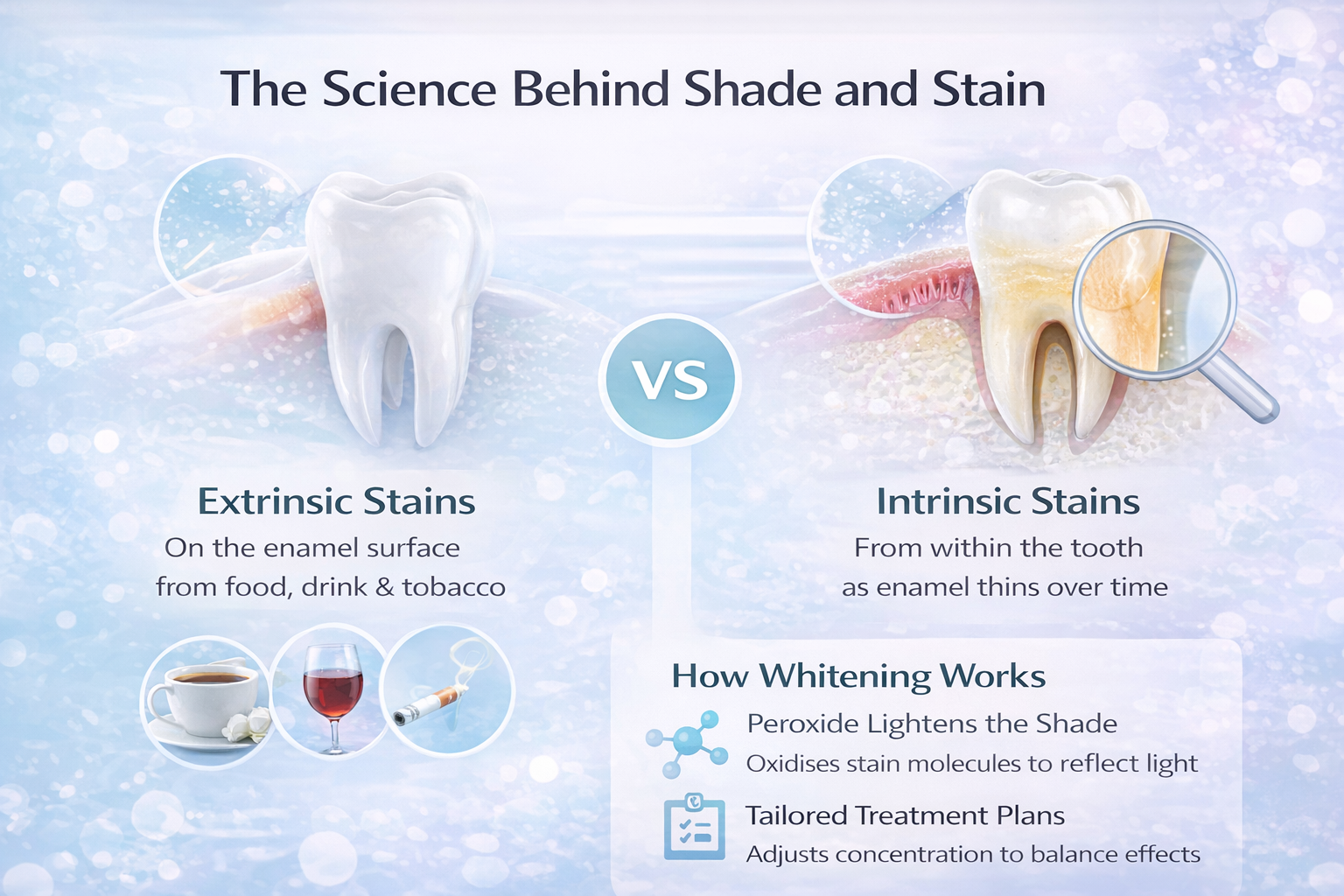
Teeth colour is a combination of enamel translucency and dentine tone. Enamel is slightly translucent, and the dentine beneath it provides much of the perceived colour. As enamel thins over time, more dentine shows through, often making teeth appear darker or warmer in tone. Staining can be extrinsic –” on the enamel surface –” or intrinsic, within the tooth. Extrinsic stains from food, drink, or tobacco are usually easier to address; inherent stains may be more persistent and sometimes require a combination of approaches.
Peroxide-based whitening works by oxidising stain molecules, altering how they reflect light. The rate at which this occurs depends on concentration, contact time, and the stain type. Clinicians choose concentrations and schedules that balance the desired speed of change with the minimisation of sensitivity. Understanding these mechanisms allows clinicians to explain the likely course of treatment and set reasonable expectations.
How to Prepare Logistically
Practical logistics help the day of treatment go smoothly. For in-clinic sessions, plan comfortable transport home if you anticipate any minor temporary sensitivity–”schedule treatments at a time when you can follow aftercare recommendations easily for the first 48 hours. For take-home trays, set aside a few minutes daily to apply gel and wear trays according to instructions; keeping a schedule helps ensure consistent progress.
Visualising Realistic Outcomes
Clinicians often use photography and shade guides to help people visualise likely outcomes. Comparing before-and-after photos taken under consistent lighting conditions can be more informative than expecting a specific number of shades. The discussion focuses on the relative improvement and how that change complements the person's overall appearance.
Long-Term Oral Health and Whitening
Whitening should sit within a wider context of oral health. Maintaining regular dental check-ups, addressing restorative needs, and supporting gum health are important complements to cosmetic improvement. Approaching whitening as part of an overall oral health plan helps protect results and promotes general wellbeing.
Practical Product Guidance
While specific brands are not recommended here, clinicians commonly suggest:
- Desensitising toothpastes for a short course around treatment.
- Remineralising gels with fluoride for enamel support.
- Alcohol-free mouthwashes that do not dry the mouth.
- Soft-bristled toothbrushes to protect enamel during the settling period.
Using professional advice to select suitable products avoids unnecessary expense and reduces the risk of ill-suited over-the-counter recommendations.
Patient Stories: The Small Ways Whitening Helps
A small collection of paraphrased, anonymised experiences illustrates real benefits.
Each of these stories highlights a common theme: the experience is as important as the final shade. Feeling respected, listened to, and given clear information often matters more than an exact numeric improvement.
Practical Checklist and Quick Reference
To make planning simple, here is a compact, practical checklist summarising the main considerations before, during, and after treatment.
- Complete routine dental checks and address any active issues.
- Discuss sensitivity history and any relevant medical factors.
- Consider a short hygiene visit if surface deposits may influence results.
- Think about how subtle or dramatic you wish the change to be and share reference images if helpful.
- Expect comfortable monitoring and pauses if sensitivity arises.
- Use recommended protective measures for gums and soft tissues.
- Keep open communication with the clinician about comfort throughout.
- Follow the 48–72 hour gentle window for diet and cleaning.
- Use soft-bristled brushes and non-abrasive toothpaste initially.
- Consider short maintenance sessions with trays rather than repeated full-strength procedures.
- Consult your clinician if sensitivity persists beyond a few days or if you have concerns about restorations.
A Short Guide to Common Situations
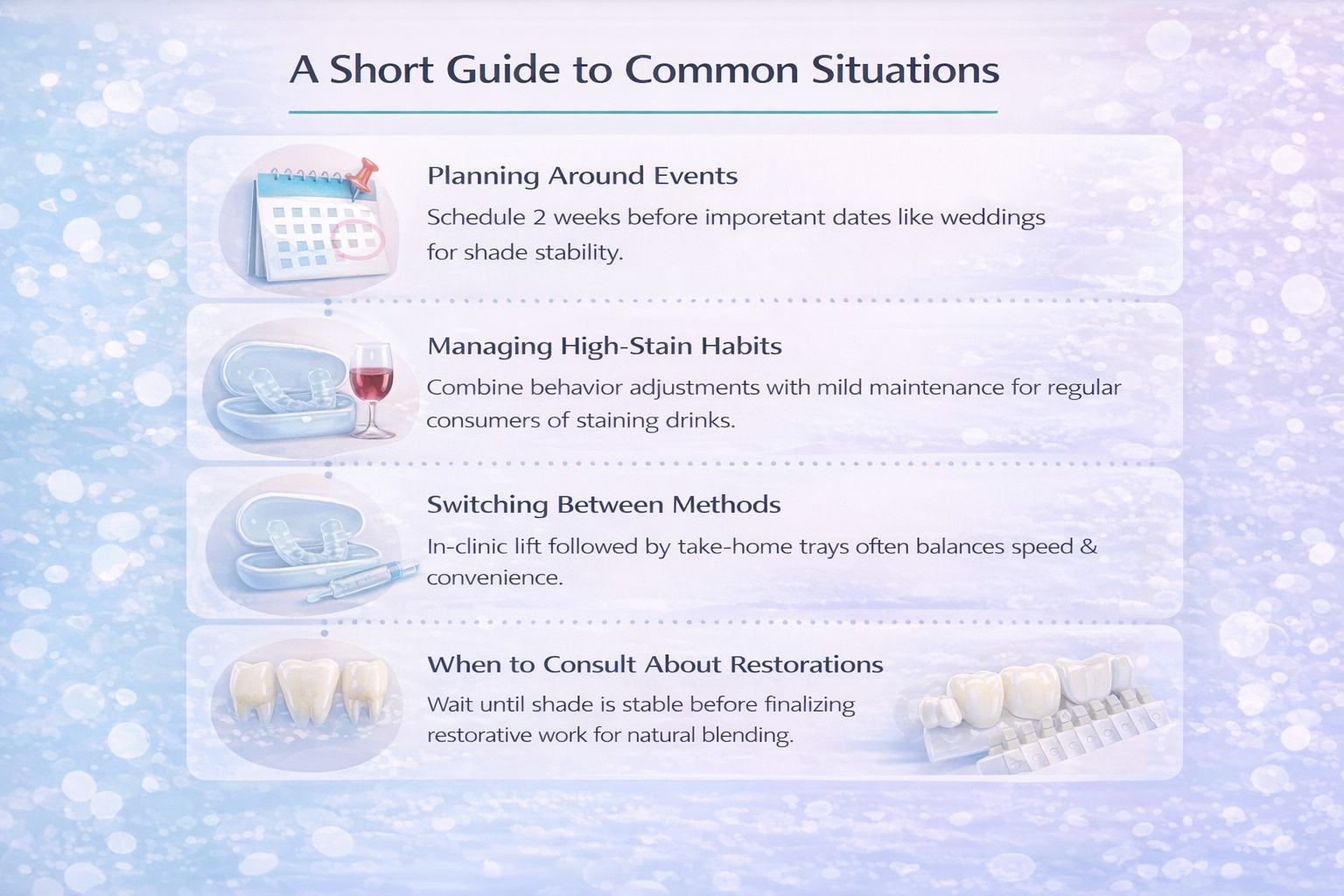
Planning Around Events
If you have an important date, such as a wedding or a presentation, schedule a consultation early so a suitable timeline can be prepared. For most people, an in-clinic session two weeks before an event provides a visible lift and allows shade stabilisation. A brief at-home top-up the night before can refine any residual unevenness.
Managing High-Stain Habits
If you regularly consume staining drinks or foods, combining behaviour adjustments (rinsing after drinking, using a straw) with a more frequent mild maintenance schedule can preserve brightness without repeated aggressive treatment.
Switching Between Methods
It is common to combine approaches. An initial in-clinic lift followed by take-home maintenance often offers the best balance of speed and long-term convenience. Clinicians advise on appropriate gel strengths and mixing schedules.
When to Consult About Restorations
If you have visible restorations, discuss them during consultation. Whitening before restorative replacement often helps achieve a better colour match. Waiting until shade is stable after bleaching ensures final restorations blend naturally.
Clinical Care with Confidence in Mind
Whitening is not purely cosmetic –” it interacts with how people feel about themselves every day. A small, considered improvement can nudge confidence, encourage more open smiles, and create moments when people no longer think twice about their teeth. That emotional return is often the most meaningful part of the experience.
Above all, the safest and most satisfying whitening journeys are those that combine professional expertise, honest communication, and sensible aftercare. This approach supports both natural results and oral health, helping people keep their smiles bright without undue risk.
This resource is a thorough, practical companion for anyone in the UK thinking about professional whitening. It is designed to inform and reassure, offering clear guidance and real-world examples so that choosing to whiten feels like a knowledgeable, empowered decision.
Key Care Recommendations
A few brief reminders: avoid abrasive products immediately after treatment, keep follow-up conversations open with your clinician, and treat whitening as part of overall oral wellbeing rather than a single cosmetic event. These small choices protect enamel, reduce sensitivity, and help maintain a naturally brighter smile.